
Neutrality is useful. It keeps products legible, dependable and easy to extend. But somewhere along the way, a lot of interfaces started treating neutral as the only acceptable emotional state.
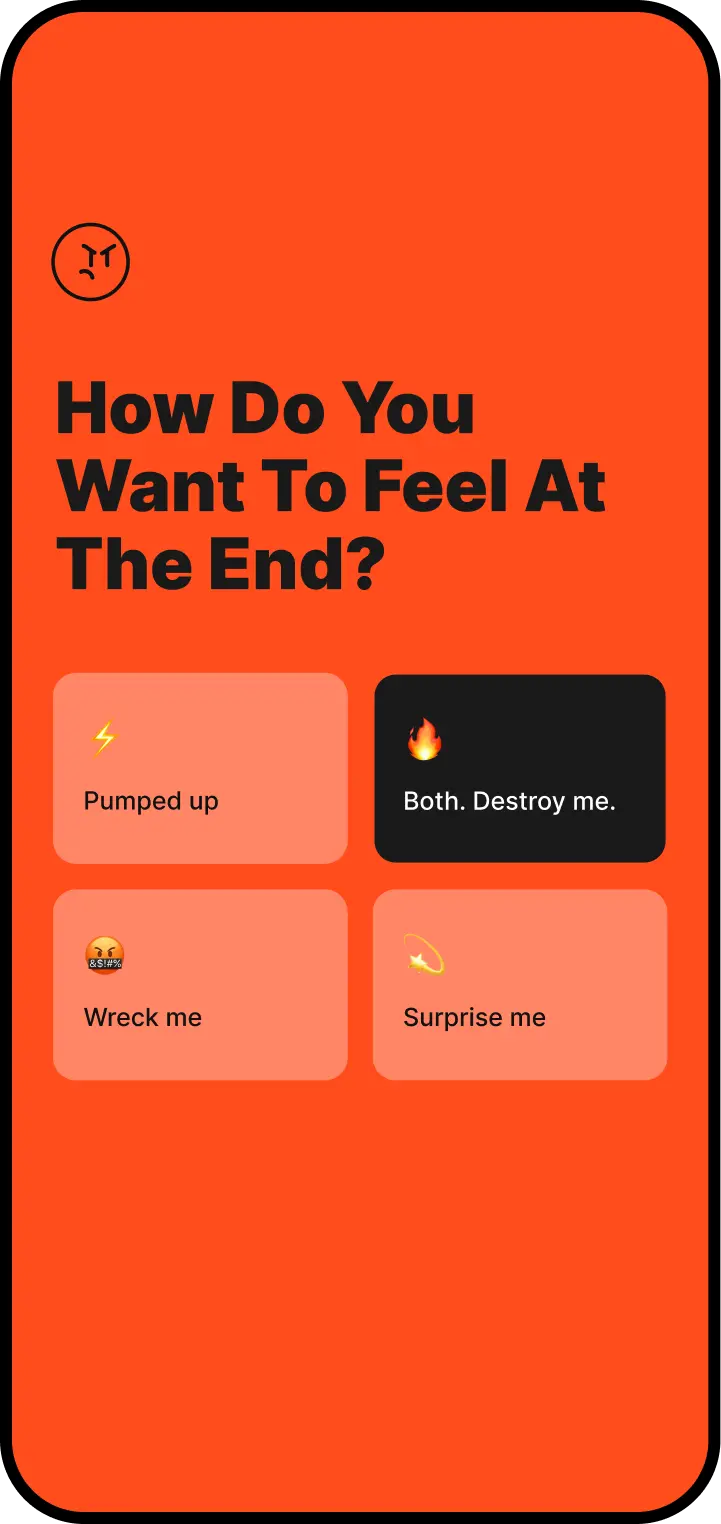
Moodie was a useful reminder that product systems can have personality without becoming chaotic. The structure stayed familiar: a question, a set of choices, a result. What changed was the expression around that structure.
Expression can be systematic
Color, copy, imagery and motion can behave like tokens. They can respond to context, carry tone and still follow rules. That matters because emotion does not have to live outside the system. It can be part of the system.
The lesson was not that every interface should be playful or expressive. It was that emotional restraint should be a choice, not the default answer to every design problem.
A small product thought
When an interface asks how someone feels, the rest of the experience should acknowledge that answer. Otherwise the question becomes decoration. The more interesting challenge is making the product feel like it listened.