I have handed off a lot of designs. Building one alone is a different education.
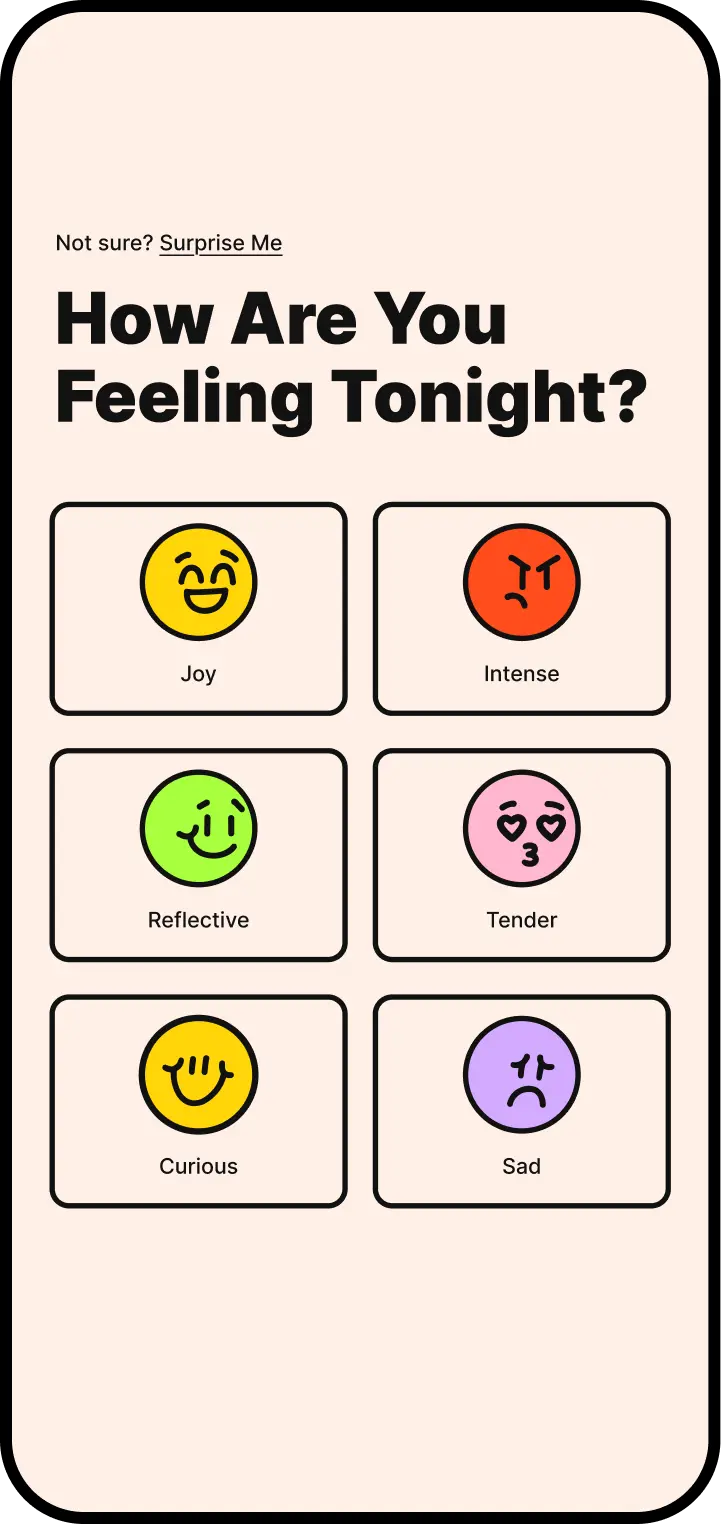
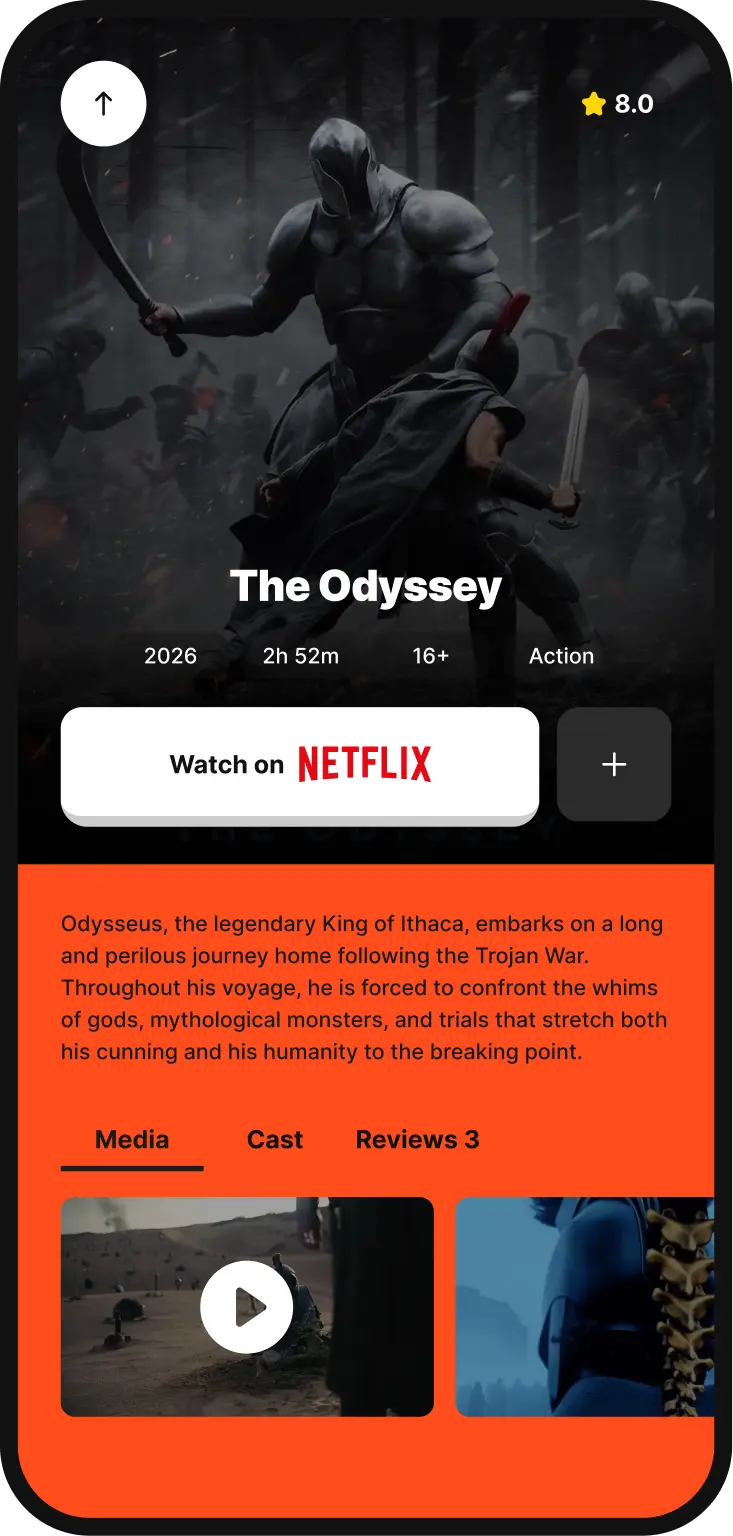
Moodie went from premise to a live product I maintain. Design, front-end, deploy, the parts nobody puts in a case study. What I learned had less to do with code than with cost.
Every design decision has a price. You feel it when you pay it yourself.
Cost becomes visible
When someone else builds your work, the expensive decisions and the cheap ones look identical in Figma. A transition that takes an afternoon and one that takes a week are two frames on a board.
Building it yourself makes the difference immediate. I dropped ideas I liked because they were not worth what they cost, and kept ones I would previously have compromised on because I knew they were nearly free. That trade is invisible from inside a design file.
The unglamorous states
Handoff work tends to cover the happy path. Shipping means covering everything else - slow connections, empty results, an error from a service you do not control, the first thirty seconds for someone who has never seen the product.
Those states are most of the real experience and they are the first thing cut when a design is a deliverable rather than a product. When you own it, you cannot cut them. Somebody will hit them tonight.
What it changed
I do not think designers need to code. I think it helps to have shipped something, once, all the way, so that feasibility stops being someone else's problem and starts being part of the design.
It made my work more modest in some places and more ambitious in others. Mostly it made it more specific.