Learning products ask people to repeat. That repetition is necessary, but it can quickly start to feel like maintenance. The design problem is not how to hide repetition. It is how to make repetition feel like it is going somewhere.
In Made for the Next Step, the core loop was intentionally simple: choose, answer, receive feedback, earn a small reward, see progress. The value was not in inventing a complicated mechanic. It was in making each repetition feel acknowledged.
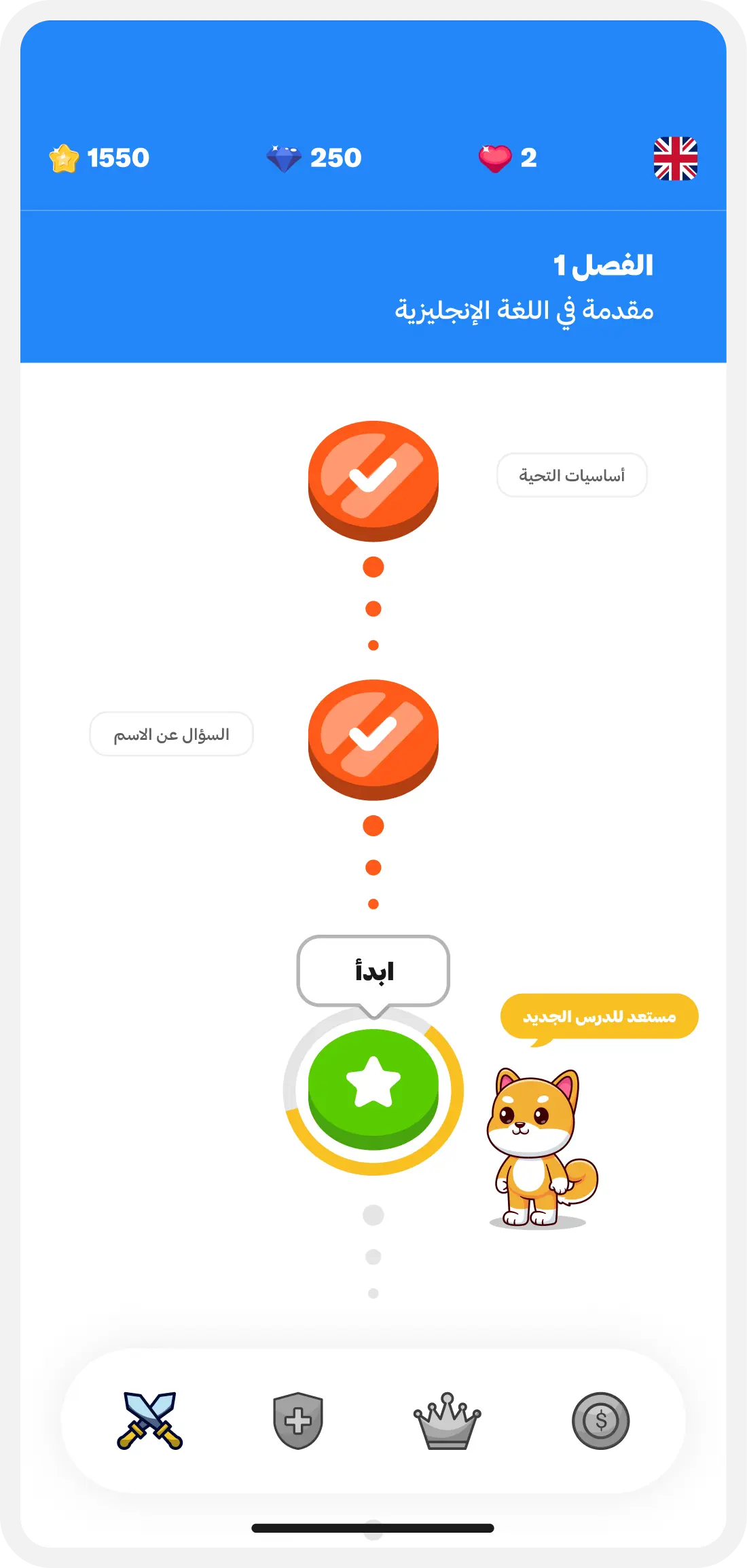
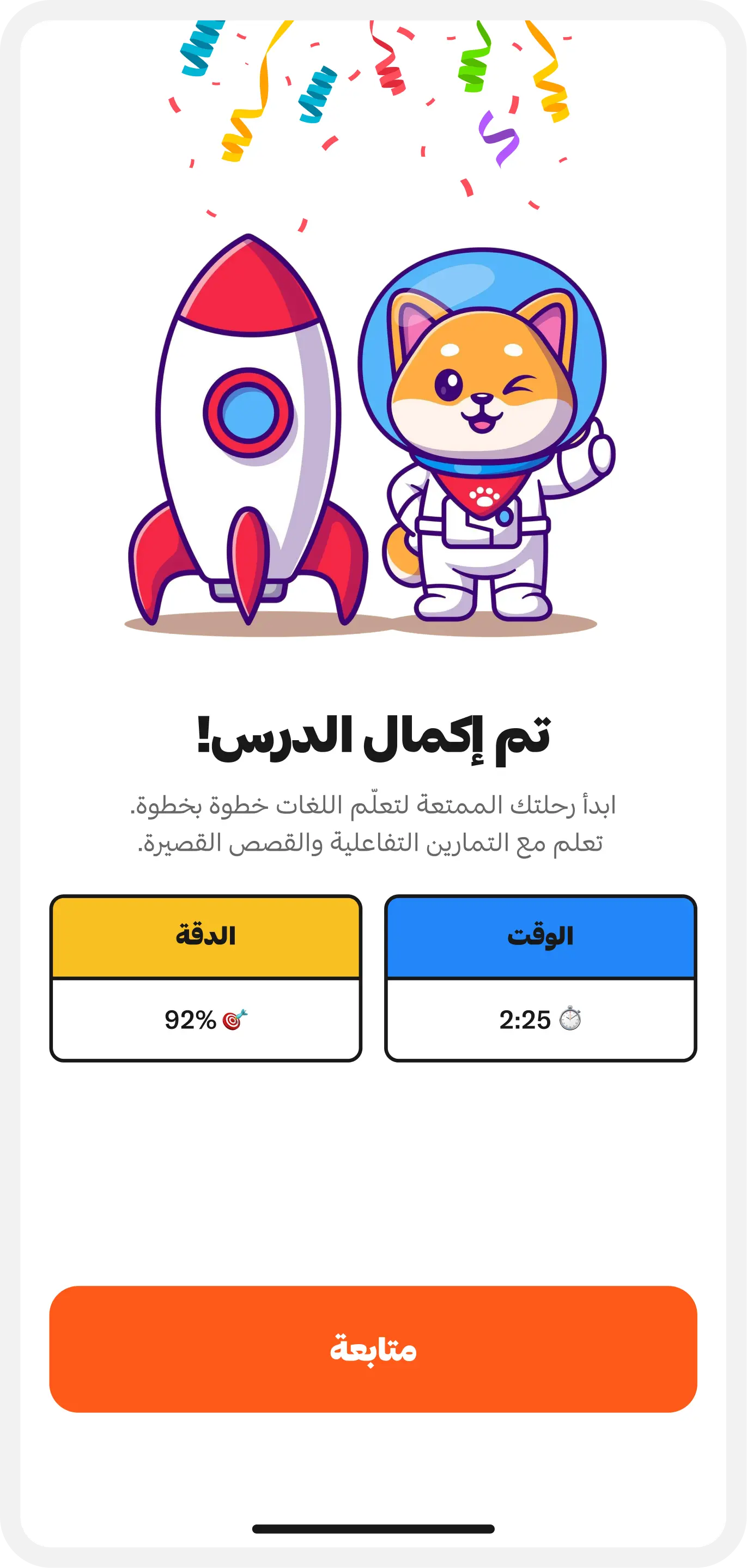
Progress needs to be visible
A learner should not have to infer that they are improving. The interface can make progress concrete through score, health, achievements, streaks, unlocked moments or even a mascot that reacts at the right time.
The trick is restraint. Reward everything and rewards become noise. Reward the right moments and the product starts to feel encouraging.
Play has to serve practice
Playfulness works when it lowers friction. It should make the next step easier to take, not distract from the reason the user arrived. That is the line I kept trying to protect.